
An Interview With First Winner Of Little Big Loo 2025 Architecture Competition - Florentina Julisa Friska Cristiani, Daffa Yusfi Aziz Saebani & Helen
Winners Interviews
22 Jan 2026
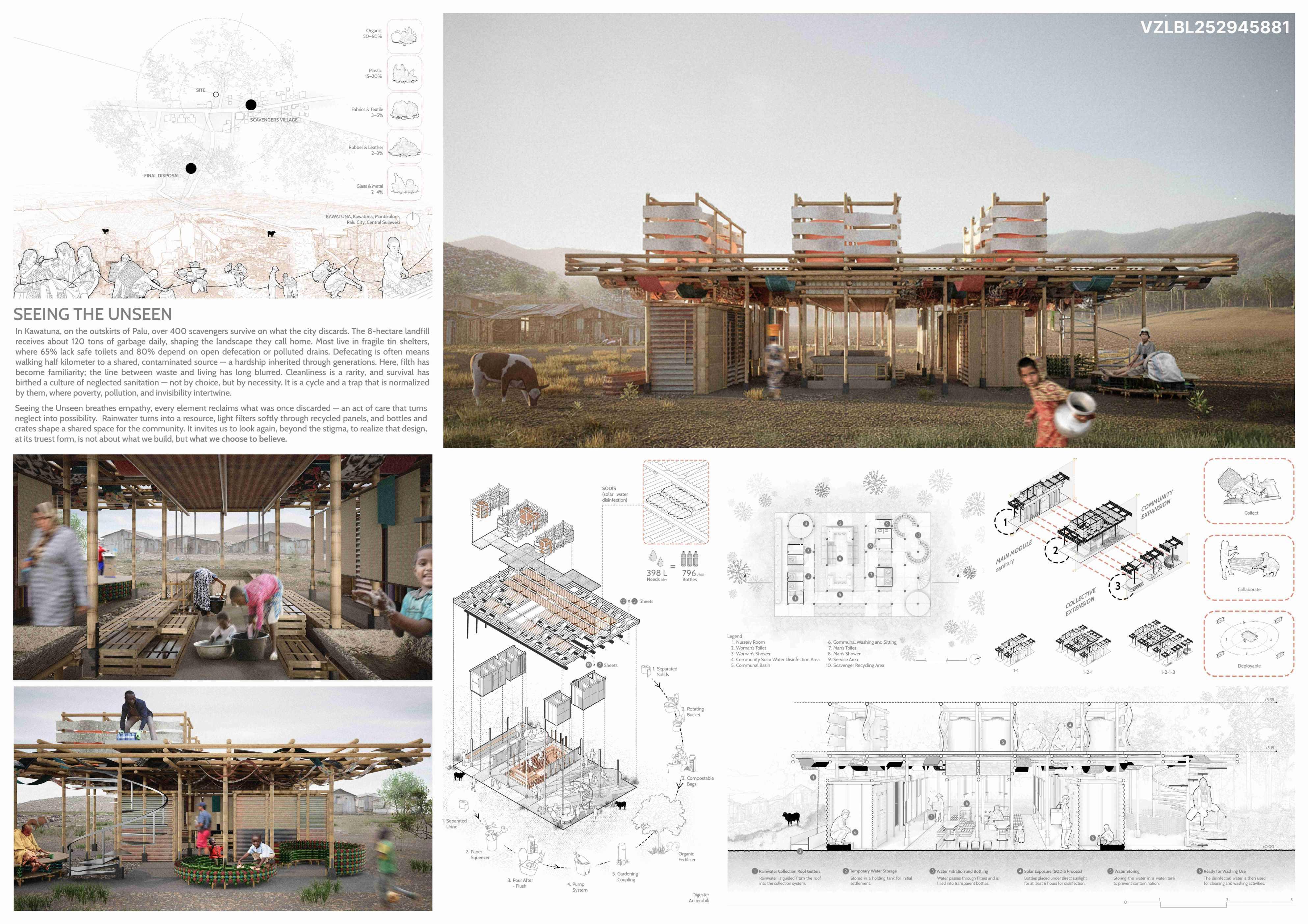
We would like to take this opportunity to introduce you with "Florentina Julisa Friska Cristiani, Daffa Yusfi Aziz Saebani & Helen Saphira Wibowo", from Indonesia - First Winner of Little Big Loo 2025 Architecture Competition. They are students and recent graduates from universities across Indonesia who came together during our internship at an architectural studio, RAD+AR.
Come and take a look at what the First Winner of Little Big Loo 2025 Architecture Competition - "Florentina Julisa Friska Cristiani, Daffa Yusfi Aziz Saebani & Helen Saphira Wibowo" with their proposal "Seeing The Unseen" have to say about their experience and journey throughout the competition. For the purpose of this interview they would be referred as FDH to responses, however Volume Zero referred as VZ.
VZ- How would you introduce yourself / Team /Firm?
FDH- We are students and recent graduates from universities across Indonesia who came together during our internship at an architectural studio, RAD+AR. Coming from Sebelas Maret University, Muhammadiyah University of Surakarta, and Ciputra University, this competition marks our first collaboration as a team. United by a shared vision to design with empathy and responsibility, we place human dignity at the center of every decision. We call our team Grace—a reflection of the quiet courage to continue, listen, and grow amid uncertainty. Each of us also brings distinct skills and interests, that complement each other, allowing us to critically and collaboratively examine everyday conditions and uncover the latent potential within ordinary objects.
VZ- Give us brief information of your previous projects/ works/ research/achievements?
FDH- We come from diverse architectural backgrounds and interests, ranging from commercial practice and experimental public-sector projects to community-based design. Our perspectives have been shaped through local university competitions, professional design challenges, and seeing various day to day life of Indonesians. These experiences have taught us that architecture is not only about form or efficiency, but about listening—understanding people, place, and everyday realities. Beyond design exploration, our work is also grounded in community research and social engagement. Through small-scale interventions, site visits, and conversations with local residents, we have witnessed how spatial limitations, lack of infrastructure, and social neglect directly affect quality of life. As young architects in a growing country, we strengthen our commitment to design as a form of service—one that responds to real needs while nurturing dignity, participation, and hope.
As this marks our first international competition, it represents more than an entry point to global discourse. It is an opportunity to bring local voices, overlooked conditions, and lived experiences into a wider conversation. We see this step as the beginning of a longer journey—one where we continue to learn from diverse cultures and contexts, while remaining rooted in the social and environmental challenges of our country, Indonesia.
Through this project, we seek to show how architecture can raise awareness and spark dialogue. By revealing what is often unseen, we are reminded that design carries values of care, responsibility, and environmental consciousness. For us, architecture becomes meaningful when it has the power to improve everyday life and when it helps cultivate a more hopeful future for the communities we serve.
VZ- What was your thought process while designing for The Little Big Loo Architecture Competition 2025?
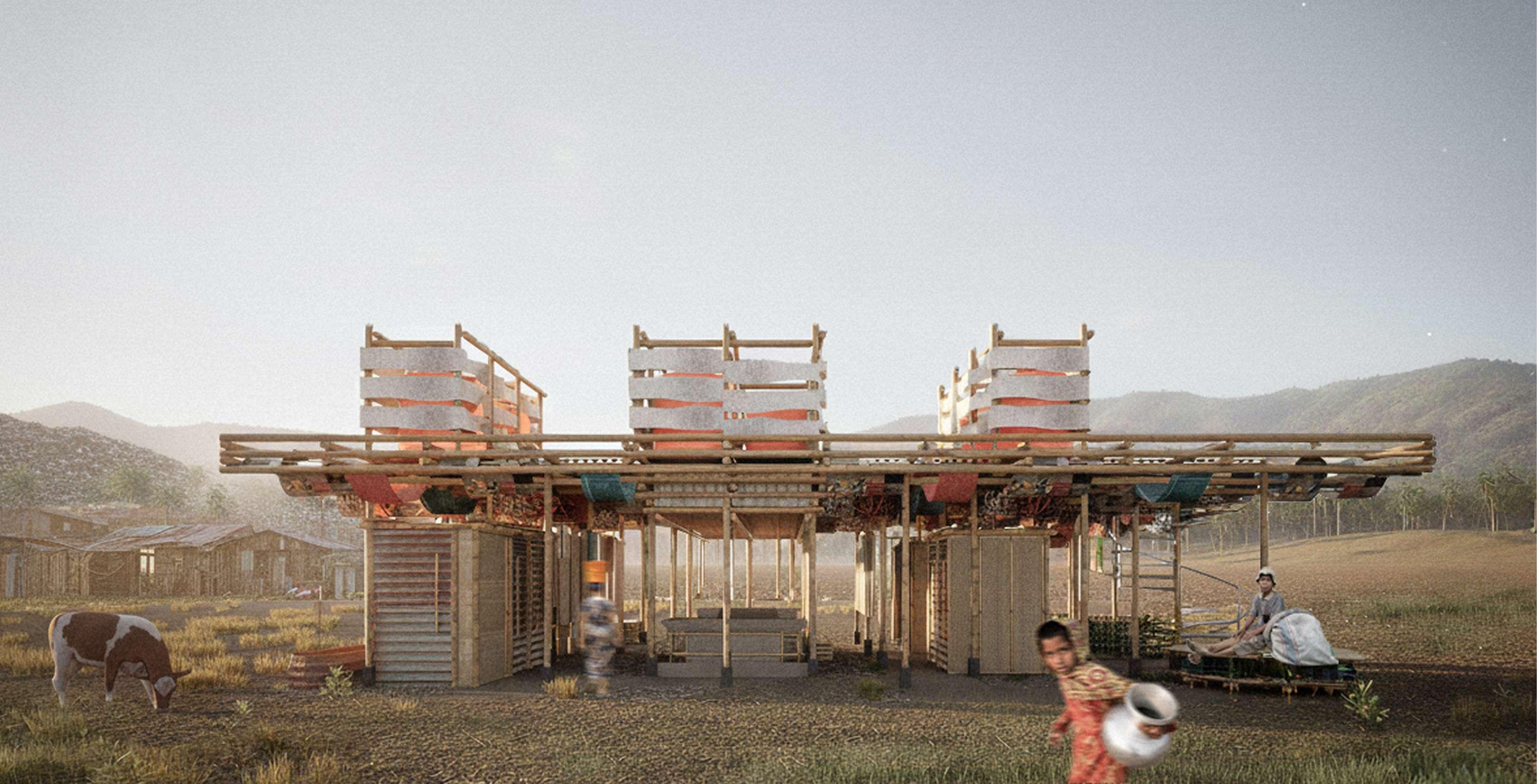
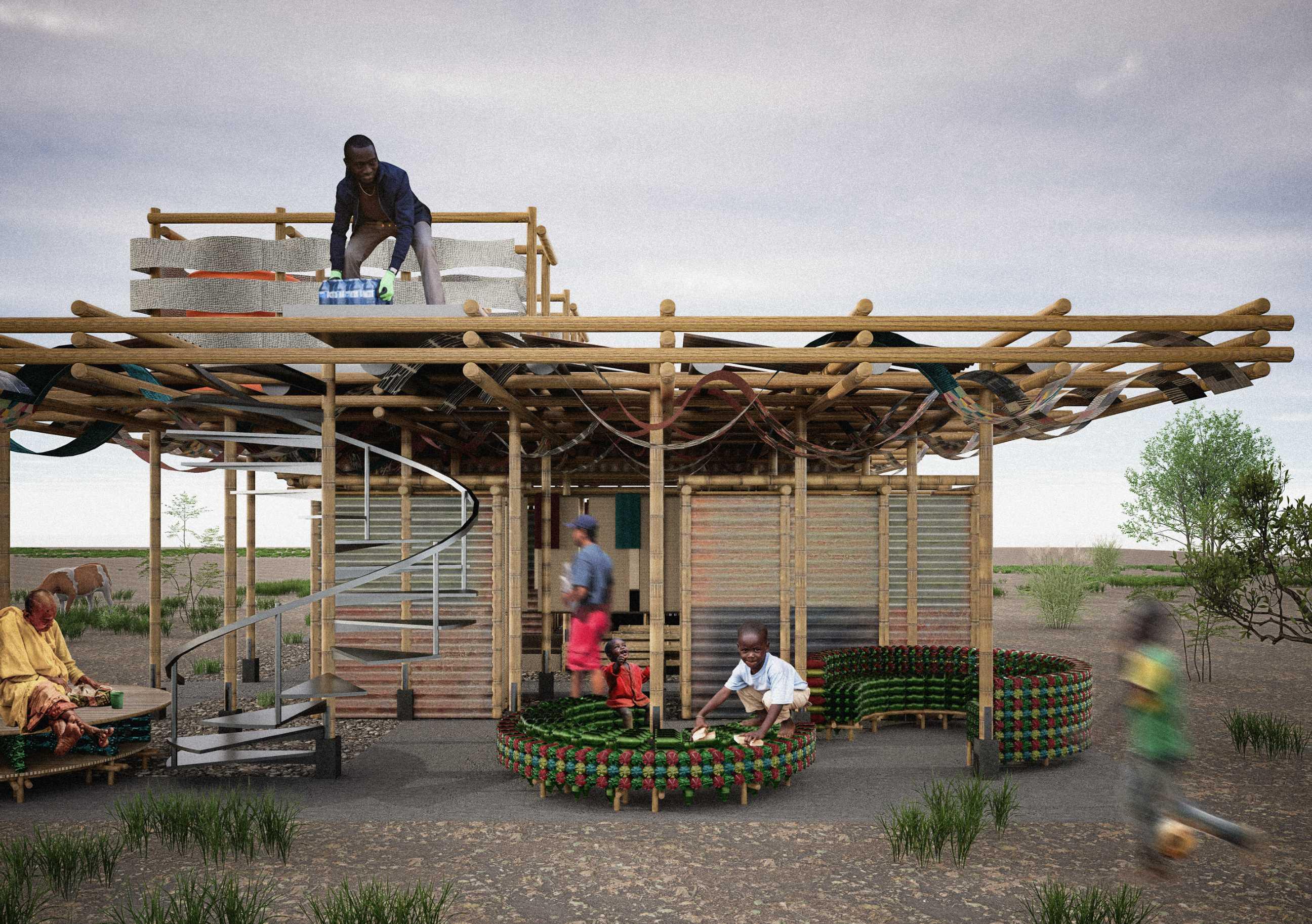
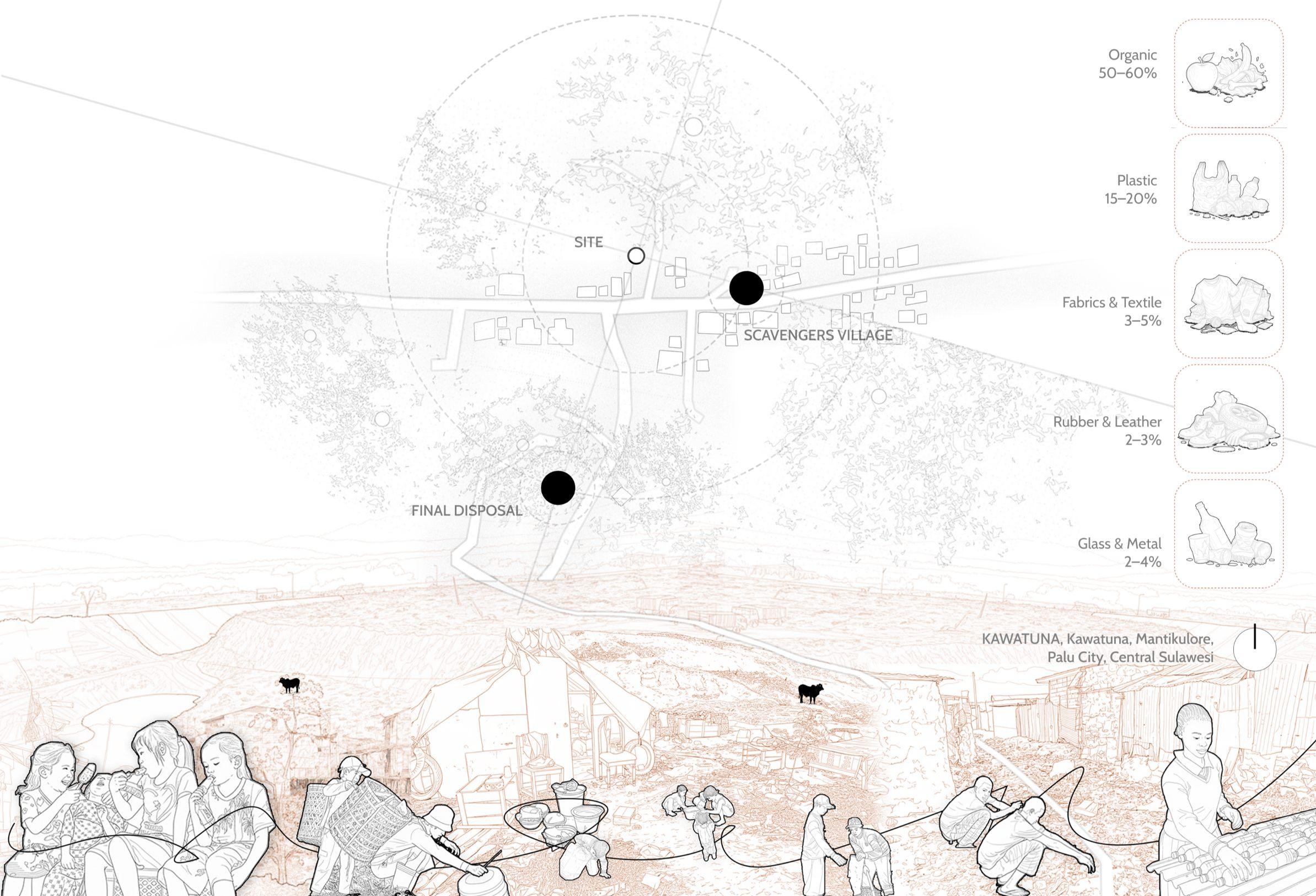
FDH- Our design process began with seeing and seeking for unsloved problems in our country, Indonesia. We asked ourselves what it truly means to design a toilet—not as an object, but as a tool of hope especially for people who have lived for generations without the concept of sanitation. When we encountered the story of the scavenger community in Kawatuna, we realized that the absence of toilets was not simply an infrastructural issue, but an inherited hardship, quietly normalized by survival. Rather than imposing a solution, we tried to understand what had been made invisible. In a place where waste shapes daily life, cleanliness becomes rare, and care is often overlooked. Our response was to design with empathy-to reclaim what was discarded and return it as something meaningful.
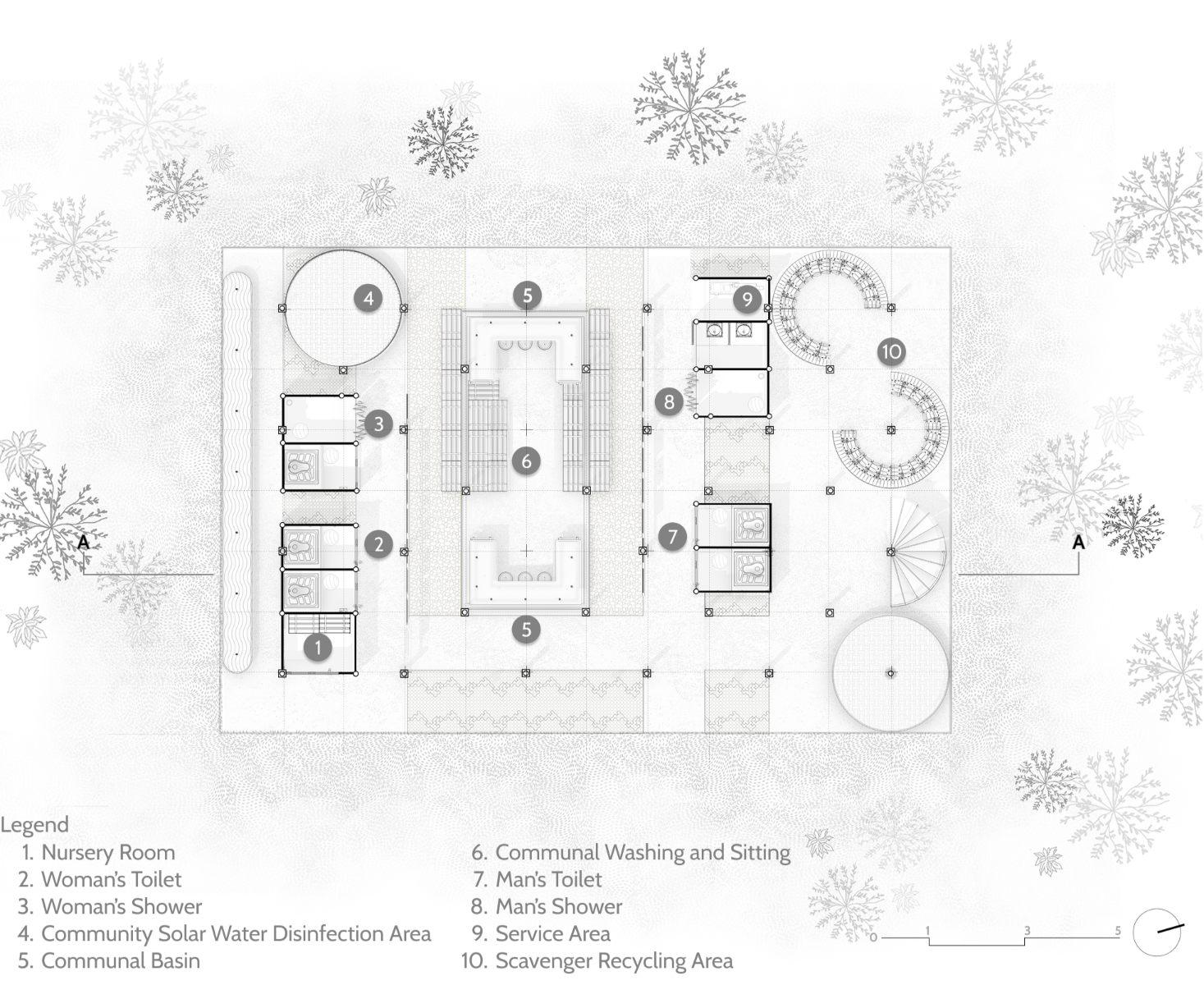
VZ- What attracted you to this competition?
FDH- This competition attracts us as a platform for architects to continue creating beyond limitations—finding meaning and value within constraints. Toilets, as part of everyday life, are both critical and often overlooked. It carries many issues and contexts, yet are rarely discussed. Through this competition, we aim to see toilets not only as functional spaces, but as places that hold meaning and value.
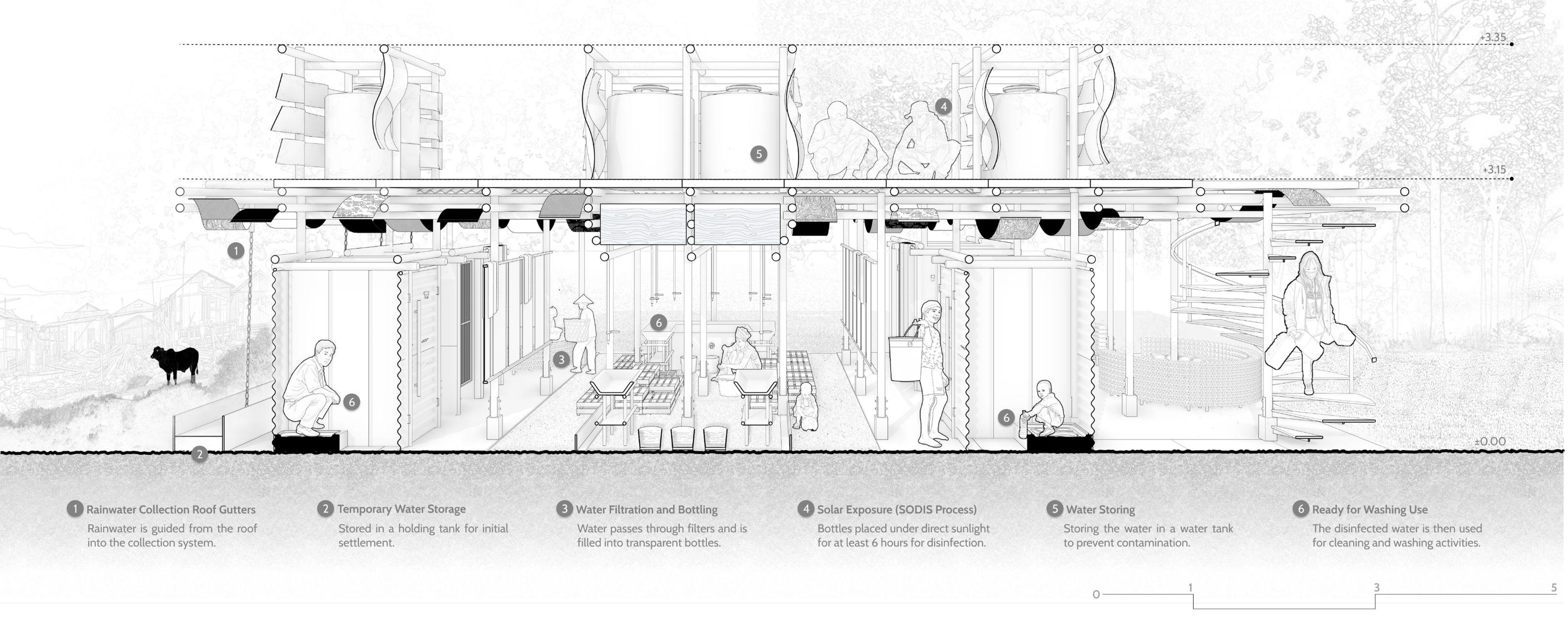
VZ- Where does your interest in design come from? What were your references/ inspiration?
FDH- Our interest in design has been shaped by a constant engagement with visual narratives and spatial ideas, with Pinterest serving as a key source of inspiration. It functions as a curated archive of global design references, enabling continuous discovery, comparison, and refinement of ideas across disciplines.
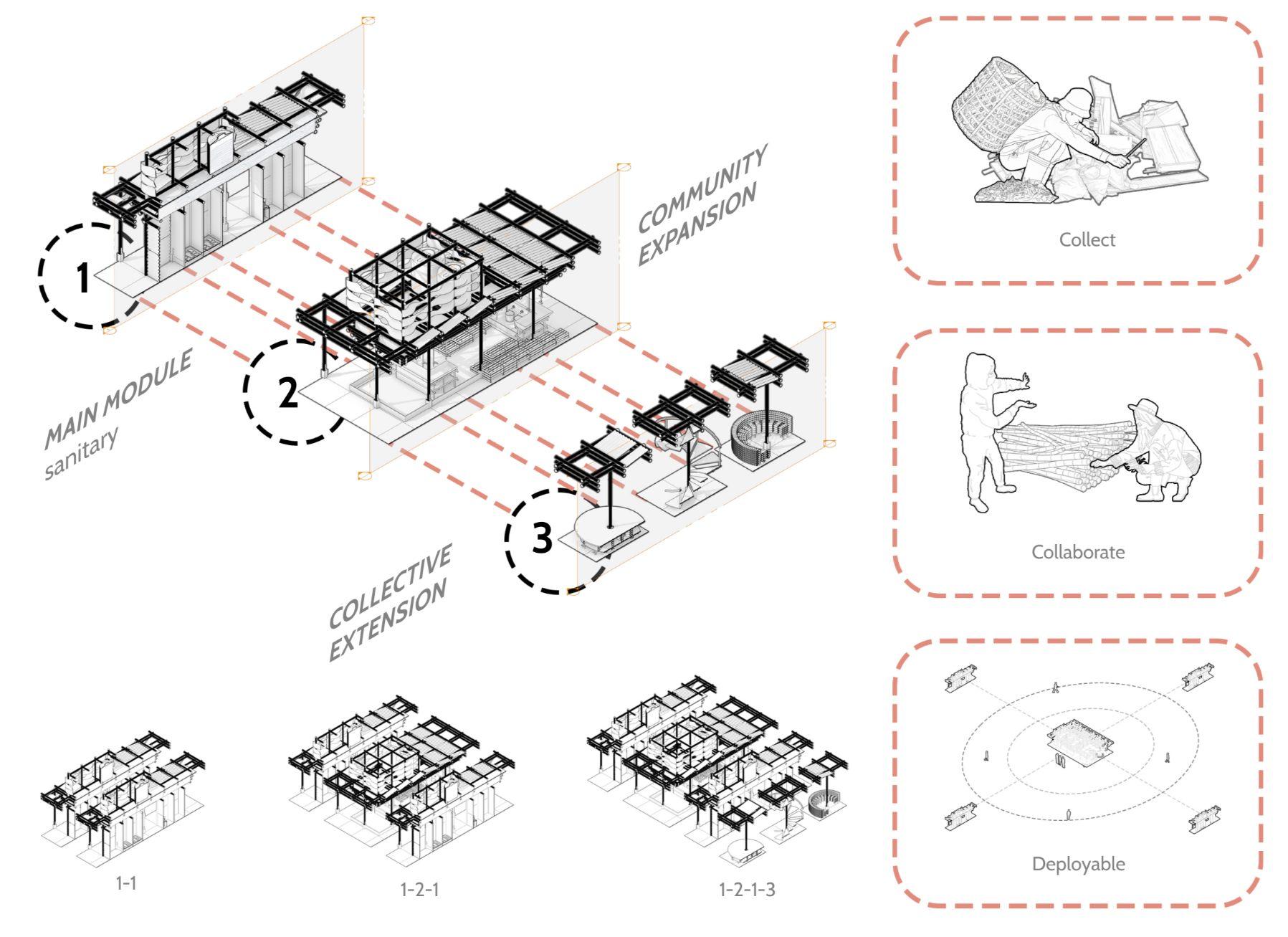
VZ- What design fundamentals do you believe in?
FDH- We believe architecture goes beyond creating aesthetics and fuction. It shapes how users experience space and how the world remembers a design. Architecture carries responsibility toward culture and memory, where the connection between space and time adds deeper meaning to the building itself. Beyond this, architecture acts as a tool to challenge reality and evoke emotion through design. It has the power to sculpt, reframe, and speculate on alternative spatial logics—engaging with deeper questions about how we experience and understand space.
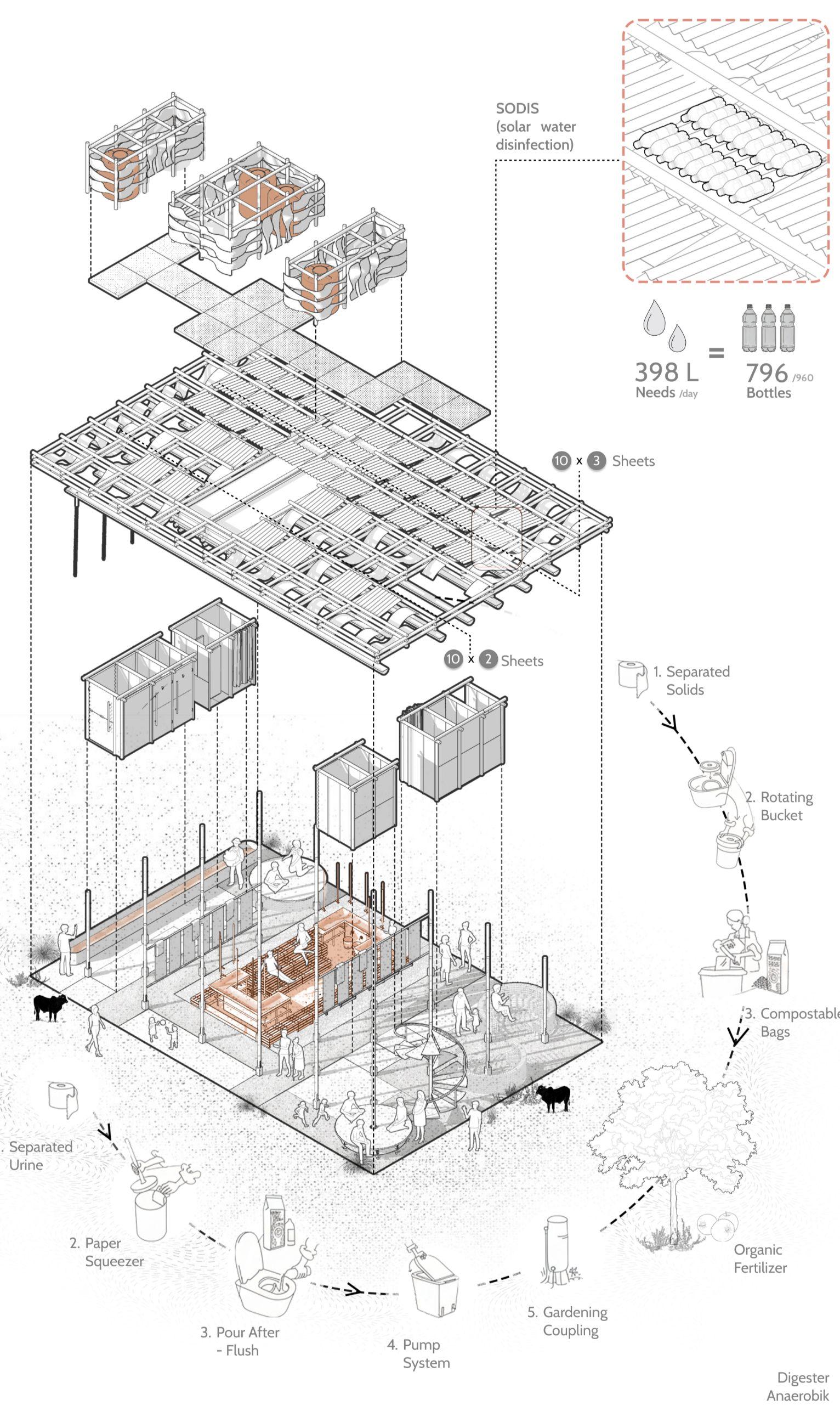
VZ- What according to you is the key to making your design a success?
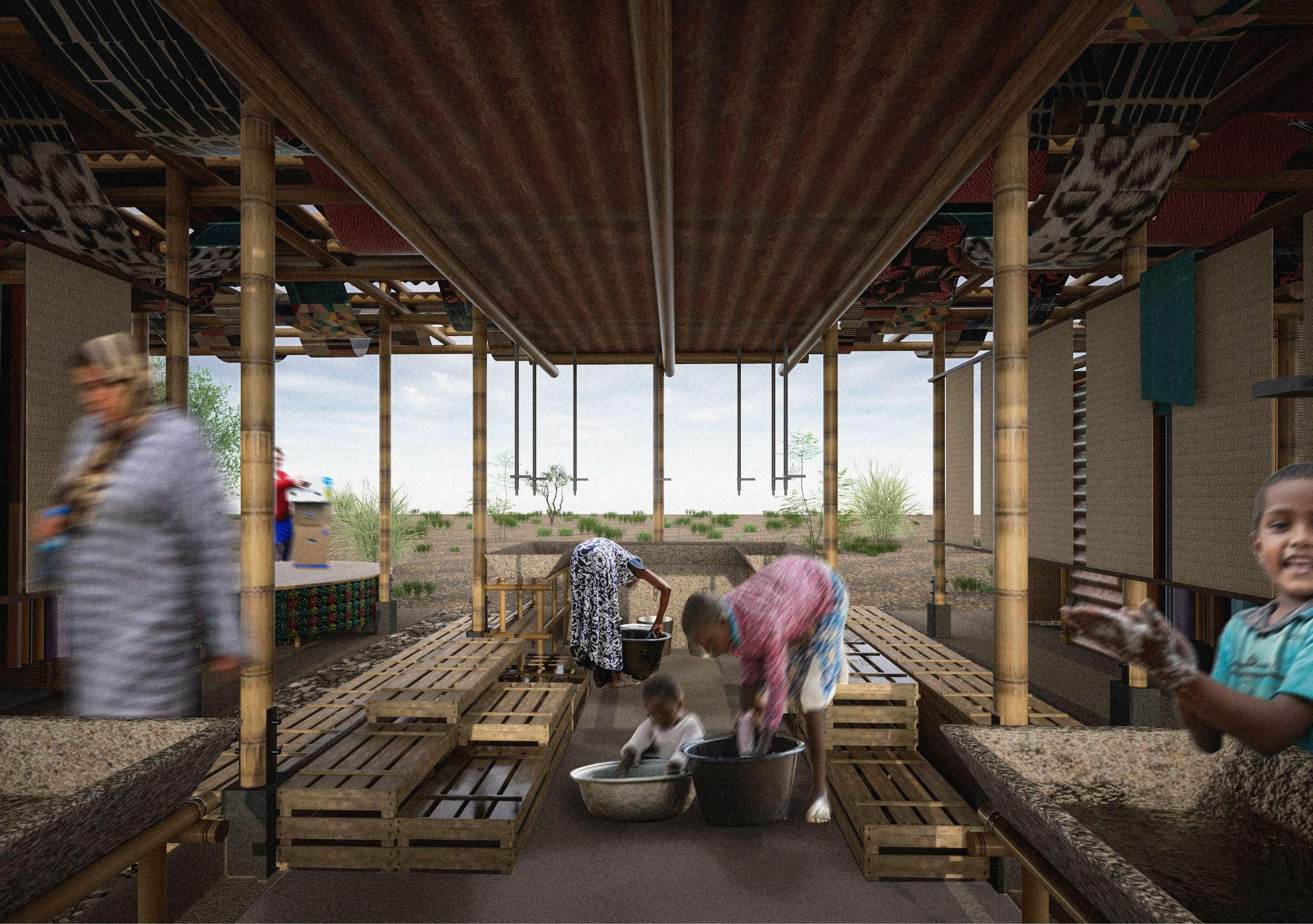
FDH- We designed by placing ourselves in their shoes, imagining their daily routines and the realities of living without proper sanitation. This helped us understand not only what was missing, but what truly mattered. That empathy was then translated into technical decisions aimed at effectiveness. We focused on simple, low-maintenance systems that could function in a challenging environment. By balancing human understanding with technical efficiency, we hope the project became not just meaningful, but truly usable.